
Beginner Guide to Bullet Journaling: Organize Your Life Creatively
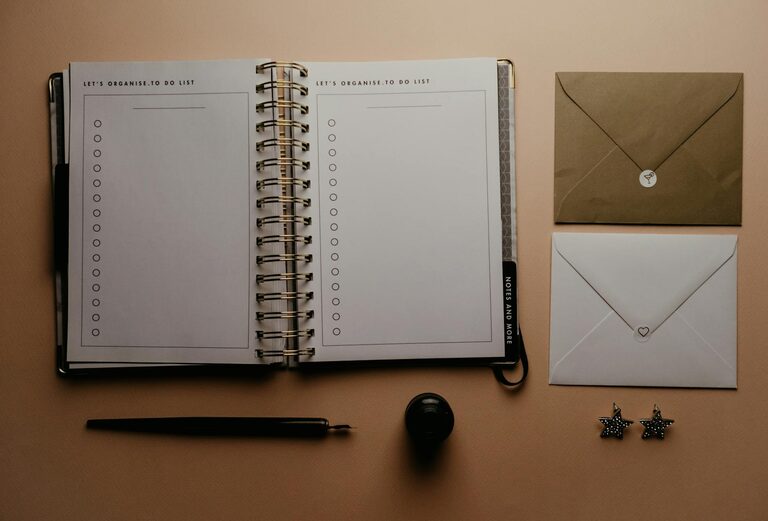
Bullet journaling has become a popular tool for organization and self-expression. Combining the flexibility of a notebook with a to-do list’s practicality, a bullet journal can help you manage your daily tasks, track habits, and explore your creativity. If you’re new to bullet journaling, this beginner guide will walk you through the basics and inspire you to start your own personalized journal.
What is Bullet Journaling?
Bullet journaling is a customizable method of note-taking and planning developed by Ryder Carroll. It uses a system of symbols, rapid logging, and collections to help you keep track of all aspects of your life—from daily chores to long-term goals—in one place. Because it’s entirely analog, it encourages mindfulness and creativity.
What You Need to Start
To begin bullet journaling, you don’t need much:
– A notebook: Choose any notebook you like. Many prefer dotted or grid journals for easier layouts, but plain or lined notebooks work fine.
– Pens: Start with a simple black pen, or add color using colored pens, markers, or highlighters.
– Ruler (optional): For neat lines and grids.
– Stickers or washi tape (optional): To decorate and personalize your pages.
Remember, bullet journaling is about what works best for you, so there’s no need to buy expensive supplies at first.
Key Elements of a Bullet Journal
1. Index
This is like your journal’s table of contents. At the beginning of your notebook, reserve a few pages for your index. As you add pages and collections, record the page number and title here to quickly find what you need.
2. Future Log
The future log is a yearly overview where you can jot down events, appointments, or deadlines happening in the coming months. Divide two pages into sections representing each month and briefly list important dates.
3. Monthly Log
The monthly log helps you plan and track your month in more detail. It usually consists of two parts:
– A calendar page that lists dates with brief notes or appointments.
– A task page where you write down to-dos for the month.
4. Daily Log
This section is your day-to-day to-do list, notes, or reminders. You can write these entries daily, organizing tasks with simple bullets or symbols.
5. Collections
Collections are custom groupings of related information. These might be habit trackers, book lists, meal plans, or goals. They can be placed anywhere in your journal as needed.
How to Use Bullet Journal Symbols
Bullet journaling uses simple symbols to keep your entries organized:
– Task: • (a dot)
– Completed task: X
– Migrated task: > (task moved to another day or month)
– Event: ○ (a circle)
– Note: – (a dash)
Feel free to create your own symbols as your system evolves.
Setting Up Your First Bullet Journal
- **Number your pages:** If your notebook doesn’t come pre-numbered, add numbers to each page as you go.
- **Create the index:** Reserve 2–4 pages at the start for your index.
- **Set up your future log:** Use 2 pages for a 6- or 12-month overview.
- **Make your first monthly log:** Write the calendar and task list for the current month.
- **Start your daily logs:** Begin adding daily tasks, events, and notes.
Tips for Success
– Keep it simple: Don’t worry about making your bullet journal perfect or artistic at first. Focus on functionality.
– Be consistent: Try to update your journal daily, or whenever you plan your day.
– Customize to fit your life: Add collections and trackers that are meaningful to you, like mood logs or finances.
– Experiment: Try different layouts, colors, and styles to see what motivates you.
– Review regularly: Use the weekly or monthly review to migrate unfinished tasks and reflect on your progress.
Creative Ideas to Personalize Your Bullet Journal
– Habit tracker: Track habits like drinking water, exercising, or reading.
– Gratitude log: Write a few things you’re grateful for each day.
– Brain dump: A page to jot down random thoughts and ideas.
– Mood tracker: Record your emotions to spot patterns over time.
– Goal planner: Break down big goals into smaller, actionable steps.
Conclusion
Bullet journaling offers a simple yet flexible way to organize your life while giving room for creativity. It can improve productivity, help you stay mindful, and make planning more enjoyable. Starting small with the basics and adapting as you go will make your bullet journaling journey both practical and rewarding. Grab a notebook, your favorite pen, and start designing a journal that suits your lifestyle today!
Happy journaling!