
A Beginner’s Guide to Stretching at Home for Better Flexibility
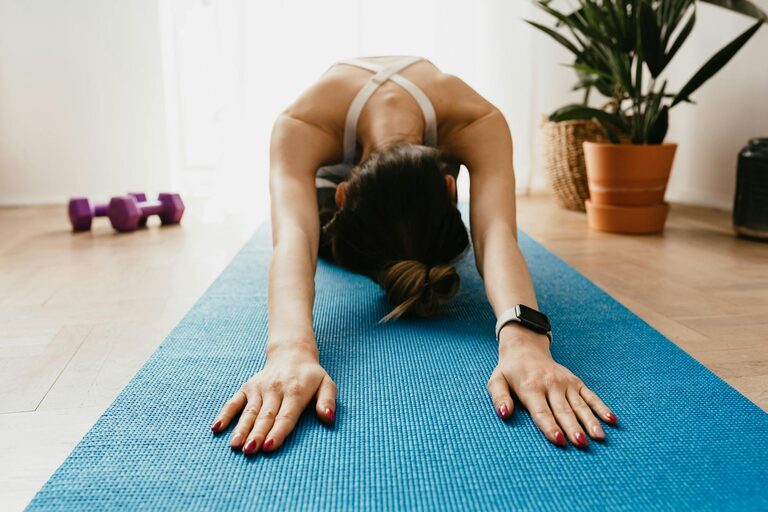
Stretching is an essential part of maintaining a healthy body, yet it’s often overlooked, especially by beginners. Incorporating stretching into your daily routine can improve flexibility, reduce muscle tension, and even enhance your posture. The best part? You don’t need any special equipment or a gym membership to start stretching — just a little space at home and a few minutes of your time.
In this beginner’s guide, we’ll walk through the basics of stretching at home, why it’s beneficial, and simple stretches you can do anywhere.
Why Stretching Matters
Stretching offers several key benefits:
– Improves Flexibility: Regular stretching helps lengthen muscles and tendons, increasing your range of motion.
– Reduces Muscle Tension: Stretching can relieve tightness that builds up from sitting or repetitive movements.
– Enhances Circulation: It encourages blood flow to your muscles, which promotes recovery and reduces soreness.
– Improves Posture: By balancing muscle length and strength, stretching helps correct poor posture.
– Prepares Your Body for Exercise: Stretching warms up muscles to reduce injury risk during physical activity.
When and How Often to Stretch
You can stretch almost any time during the day — after waking up, before or after exercise, or in the evening to relax. To see noticeable improvements, aim to stretch at least 3-4 times per week. Consistency is key, but even a few minutes daily is beneficial.
Types of Stretching
Understanding the different types of stretches will help you approach your routine safely:
Static Stretching
Static stretches involve holding a position for 15-60 seconds without movement. This type is great for cooling down after exercise or when done gently throughout the day.
Dynamic Stretching
Dynamic stretches involve controlled movements that gently take your joints and muscles through their full range. These are ideal for warming up before workouts.
Avoid Bouncing or Ballistic Stretching
This involves rapid, bouncing movements and can increase injury risk if not done properly, especially for beginners.
Preparing for Your Stretching Routine
– Find a Comfortable Space: A quiet spot with enough room to stretch your arms and legs fully.
– Wear Comfortable Clothing: Loose or stretchy clothes allow freedom of movement.
– No Special Equipment Needed: A yoga mat or towel can add comfort but isn’t required.
– Warm Up Lightly: If you plan to do dynamic stretches, consider a few minutes of walking or gentle marching in place first.
Beginner-Friendly Stretching Routine
Here is a simple full-body stretch session perfect for beginners. Hold each stretch for 20-30 seconds and repeat 1-2 times if you like.
1. Neck Stretch
– Sit or stand tall with shoulders relaxed.
– Slowly tilt your head to the right, bringing your ear toward your shoulder.
– Hold, then switch to the left side.
2. Shoulder Stretch
– Extend your right arm across your body.
– Use your left hand to gently press your right arm closer to your chest.
– Hold, then switch sides.
3. Chest Opener
– Interlace your fingers behind your back.
– Straighten your arms and gently lift your hands away from your back while opening your chest.
– Keep your shoulders down and neck relaxed.
4. Seated Forward Bend
– Sit on the floor with legs extended straight ahead.
– Hinge at the hips and reach toward your toes.
– Keep your back straight and only stretch as far as comfortable.
5. Cat-Cow Stretch (Spine Mobility)
– Start on hands and knees in a tabletop position.
– Inhale as you arch your back (cow pose), lifting your head and tailbone.
– Exhale as you round your back (cat pose), tucking your chin and tailbone.
– Repeat smoothly.
6. Hip Flexor Stretch
– Kneel on your right knee with left foot flat on the floor in front.
– Shift your weight forward to stretch the front of the right hip.
– Hold, then switch sides.
7. Hamstring Stretch
– Lie on your back and lift your right leg toward the ceiling, keeping it straight.
– Hold your thigh, calf, or ankle depending on flexibility.
– Switch legs.
8. Calf Stretch
– Stand facing a wall.
– Place your hands on the wall, step your right foot back, and press the heel down.
– Keep your back leg straight and bend the front knee slightly.
– Switch legs.
Tips for Safe and Effective Stretching
– Breathe Deeply: Avoid holding your breath to help muscles relax.
– Don’t Push to Pain: Stretch to the point of tension, not pain.
– Be Consistent: Regular stretching offers the best results.
– Modify as Needed: Use cushions or supports if you have mobility issues.
– Stay Mindful: Focus on how your body feels during stretching.
Incorporating Stretching into Your Day
Try adding these moments to your routine:
– Stretch briefly after waking to start the day limber.
– Use short breaks during work or study to release tension.
– End your evening with gentle stretching to unwind.
Conclusion
Starting a stretching routine at home is a simple step toward better physical health. With minimal time and no equipment, you can improve your flexibility, reduce muscle tension, and feel more energized throughout the day. Remember to listen to your body, move gently, and enjoy the calming benefits of stretching regularly.
Give this beginner’s guide a try, and watch your body become more flexible, comfortable, and ready for whatever the day brings!