
Simple Ways to Reduce Household Paper Clutter and Stay Organized
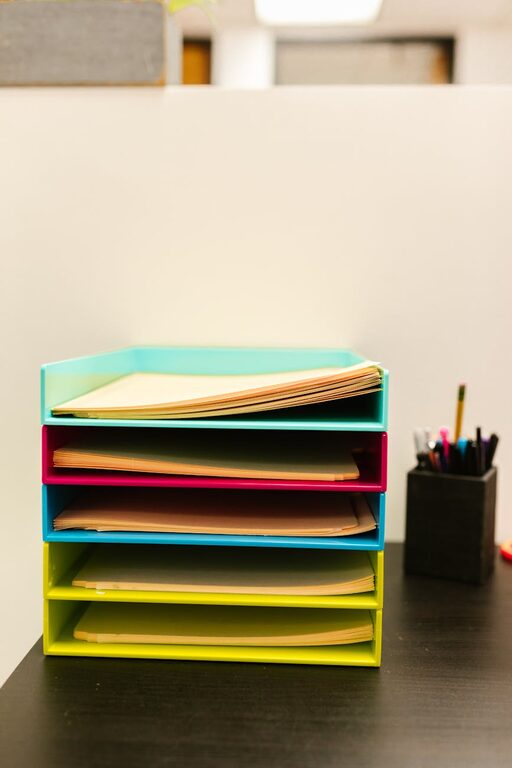
Reducing paper clutter in your home can make a big difference in how organized and calm your living space feels. Piles of mail, receipts, and miscellaneous documents can quickly become overwhelming if not managed properly. Fortunately, with a few simple habits and tools, you can effectively reduce paper clutter and maintain a tidier environment. This post covers practical steps anyone can take to manage household paper clutter easily and sustainably.
Why Reducing Paper Clutter Matters
Paper clutter not only takes up physical space but can also impact your mental clarity and productivity. It creates visual noise, making it harder to find important documents when you need them. Keeping papers organized helps you:
– Save time searching for bills, receipts, and manuals
– Reduce stress caused by mess and disorganization
– Prevent important documents from getting lost or damaged
– Maintain a clean, inviting home environment
Now let’s explore simple ways to minimize paper clutter effectively.
1. Sort and Purge Regularly
One of the most important habits is to frequently go through your papers and get rid of anything unnecessary.
Steps to sort and purge:
– Designate a sorting spot: Choose a drawer, box, or tray where all incoming paper lands temporarily.
– Sort into categories: Bills, personal mail, manuals, school papers, coupons, receipts, and junk mail.
– Decide what to keep: Keep only important and relevant documents like paid bills, tax documents, and warranties.
– Shred or recycle: Shred sensitive documents and recycle unneeded papers.
Doing this weekly or biweekly helps prevent piles from forming.
2. Go Digital Whenever Possible
Switching to paperless options is one of the easiest ways to cut down physical paper.
How to go digital:
– Opt for electronic bills and statements: Most service providers offer email billing.
– Scan important documents: Use a smartphone app or scanner to create digital copies of warranties, receipts, and certificates.
– Organize digital files: Create folders on your computer or cloud storage to keep documents easy to find.
– Use apps or software: Consider note apps or document managers to track important info without paper.
Digital files take up no physical space and reduce paper bulk significantly.
3. Create a Paper Management System
Having a clear system for incoming and outgoing papers makes staying organized much simpler.
Components of a system:
– Inbox tray: A dedicated place to collect all incoming papers.
– Action folder: For papers that need attention like bills to pay or forms to complete.
– Filing system: Use labeled folders or binders for papers you need to keep long-term.
– Outgoing spot: For papers leaving the house, such as mail to be sent or documents to hand over.
Consistently putting papers in the right place cuts down on clutter.
4. Limit Incoming Paper
Reducing the amount of paper coming into your home is as important as organizing what you already have.
Tips to limit incoming paper:
– Unsubscribe from junk mail and catalogs online or via apps designed for this.
– Ask for email receipts and confirmations when shopping.
– Opt out of unnecessary promotional mail through national or local services.
Less incoming paper means less sorting and decluttering later.
5. Use Smart Storage Solutions
Storing necessary papers neatly can prevent clutter and make retrieval faster.
Storage ideas:
– Accordion folders: Great for organizing by category or date.
– Binders with plastic sleeves: Ideal for manuals, warranties, and school work.
– Filing cabinets or boxes: For long-term storage in an orderly manner.
– Label everything clearly for easy identification.
Proper storage keeps your space looking neat and papers accessible.
6. Develop Daily Paper Habits
Small daily routines can prevent paper from piling up again.
Daily habits to try:
– Spend 5-10 minutes each day sorting new mail and papers.
– Immediately file or recycle papers after use.
– Respond or act on documents requiring attention promptly.
– Keep your paper management area tidy.
Consistency is the key to long-term clutter control.
7. Repurpose or Donate Unused Paper Items
Sometimes you have papers that you don’t want to keep, but that might be useful for other purposes.
Ideas include:
– Using scrap paper for notes or children’s drawings
– Donating old magazines to waiting rooms or schools
– Recycling craft materials instead of throwing everything away
Repurposing reduces waste and clears your space.
—
Final Thoughts
Reducing household paper clutter doesn’t have to be a daunting job. By adopting these simple strategies—regular sorting, going digital, creating a system, limiting incoming paper, smart storage, daily habits, and repurposing—you’ll enjoy a more organized, peaceful home. Start with one or two ideas and gradually build the habits that best fit your lifestyle.
Remember, a clutter-free space can lead to a clutter-free mind!
If you enjoyed this post, consider sharing it with friends or bookmarking it for your next decluttering day. Happy organizing!